If you’re thinking about second-storey builds, there’s a moment early on that rarely feels like a decision.
It’s the moment the conversation turns to price.
Most families I speak to are simply trying to get their bearings at that point.
- What might this cost?
- Are we in the right ballpark?
- Is this realistic before we go any further?
They’re sensible questions. At this stage, people aren’t committing to anything. They’re just gathering information and trying to understand what they’re dealing with.
But this is also the point where pressure starts to form…
Early numbers begin to shape expectations, and ideas start to cluster around them. Without realising it, decisions begin organising themselves around a figure that hasn’t yet been properly tested.
The thing is, what feels like a harmless early estimate often carries more weight than people expect. As planning continues, later choices tend to build on that first number, and once momentum sets in, changing direction becomes harder.
I’ve seen these same pricing pressures come up many times. They often start with everyday decisions made without enough context or explanation.
These are the points where having the right information early really matters. Let me explain…
Pressure Point #1: Treating Price as “Just a Number”
Early pricing often feels like a reference point, something to jot down so you can decide whether the idea stays on the table. It doesn’t feel like a decision, it just feels like information.
But that number tends to influence far more than people realise.
It starts shaping things like:
- How much space feels realistic
- Which design ideas feel achievable
- How flexible later conversations feel.
Once a figure is in mind, everything else tends to organise itself around it. Designs get measured against it, and advice gets filtered through it. Changes feel heavier when they move away from it.
And look, wanting an early sense of cost is completely normal. What matters is understanding how much influence that early number carries before it’s been properly worked through.
Being a little more careful at this stage can make the rest of the process far easier.
Pressure Point #2: Relying on Square-Metre Pricing
Square-metre pricing often comes up early because it’s familiar. It gives a quick way to compare numbers and set expectations. For new homes on open sites, it can be a rough guide.
But with second-storey projects, that reference quickly becomes less accurate.
Every existing home brings its own conditions. Structure, access, ceiling heights, rooflines, services, and how the house can be worked on all affect how the build comes together. None of that shows up in a square-metre rate.
When pricing is based on this shortcut, it tends to gloss over things like:
- How the existing structure will carry additional load
- What work is needed to open up or modify the current roof
- Access constraints that affect labour, time, and sequencing
- The amount of steel, bracing, or reinforcement required
The number might look tidy on paper, but it doesn’t show how the project will really be built.
At this stage, square-metre pricing often turns into a placeholder instead of a real guide. It sets early expectations that are hard to change once the real details come out.
Spotting this early helps keep pricing based on your actual home, not just the extra space you’re hoping to add.
Pressure Point #3: Expecting Planning to Happen for Free
This is when pricing starts to rely on assumptions instead of real understanding.
It’s not that builders don’t want to help. Getting to a meaningful number just takes real time and effort.
For a second-storey project, a reliable price doesn’t come from just measuring floor area and applying a rate. It comes from someone taking the time to think the project through carefully: how the new level will work with the existing structure, where extra labour or materials will be needed, and how the build will actually be staged.
That thinking usually includes:
- Reviewing the existing structure and how additional load will be carried
- Working through different ways the build could be sequenced
- Identifying which decisions affect cost early, and which can wait
Testing design ideas against time, complexity, and risk - Allowing space for discussion, review, and revision.
This kind of work takes days, not minutes. When it isn’t done early, pricing stays theoretical. It might look detailed, but it hasn’t been tested against how the project will really be built.
The result is a number that feels reassuring, but doesn’t yet have much weight behind it. And when that number starts guiding decisions before the planning has been done, pressure tends to show up later, when changes are harder to make, and certainty matters most.
Pressure Point #4: Pushing Decisions Down the Line
This is where early uncertainty starts to show up later.
When pricing hasn’t been fully worked through, some decisions get left open by default. They’re not ignored, they’re simply deferred. At the time, that can feel manageable, because there’s still time and details can be resolved later.
As the project moves forward, those unresolved decisions reappear.
They often show up as:
- Design changes that feel harder to absorb
- Cost adjustments that arrive under time pressure
- Decisions being made when options are narrower
- Stress around choices that once felt flexible.
None of this happens suddenly, it builds as the project gathers momentum.
By the time construction is approaching, changing direction takes more effort. Emotionally, it’s harder to revisit earlier assumptions, and practically, fewer options are available. What once felt like planning becomes problem-solving.
Making clearer decisions earlier usually makes the later stages far easier to manage.
Pressure Point #5: Choosing Speed Over Certainty
By this point, most families just want to move forward.
They’ve spent months thinking about the project. They’ve discussed ideas, looked at examples, and imagined how the space could work. Momentum feels reassuring.
At this stage, moving quickly can start to seem more important than being sure.
That’s understandable. When unanswered questions remain, pushing ahead can feel like the easiest option. Decisions get made with the information available at the time. Some things feel close enough, others feel like they can be worked through later.
Once the project is underway, those choices tend to be revisited with more pressure attached. Timeframes are tighter, costs feel more immediate, and adjustments carry more weight.
Families often say they wish they’d slowed down earlier, when changes were easier, and conversations felt lighter. That realisation usually comes after momentum has already taken over.
The pace you set early shapes how supported and confident the rest of the build feels. Taking the time to gain certainty upfront often makes the entire process easier to live with.
When Early Assumptions Start to Compound
On their own, none of these pressure points feels serious.
But together, they create a pattern.
Early pricing assumptions start shaping decisions long before the project is fully understood. Expectations settle early, and flexibility quietly shrinks. By the time more details are available, changing direction feels harder than it should.
This is usually when planning turns into problem-solving. Families find themselves committed to assumptions that were never properly tested, making later adjustments harder and more pressured than they need to be.
Understanding what your home can realistically support, where pricing pressure builds, and which decisions benefit from being made early doesn’t slow momentum, it just makes it easier to manage.
Want to Know If Your Home Can Support a Second Storey?
Not every home is suitable for building up. Structure, site conditions, layout, and local planning rules all play a role.
Many homes are suitable. Finding that out early helps avoid unnecessary stress and keeps decisions grounded before they become harder to change.
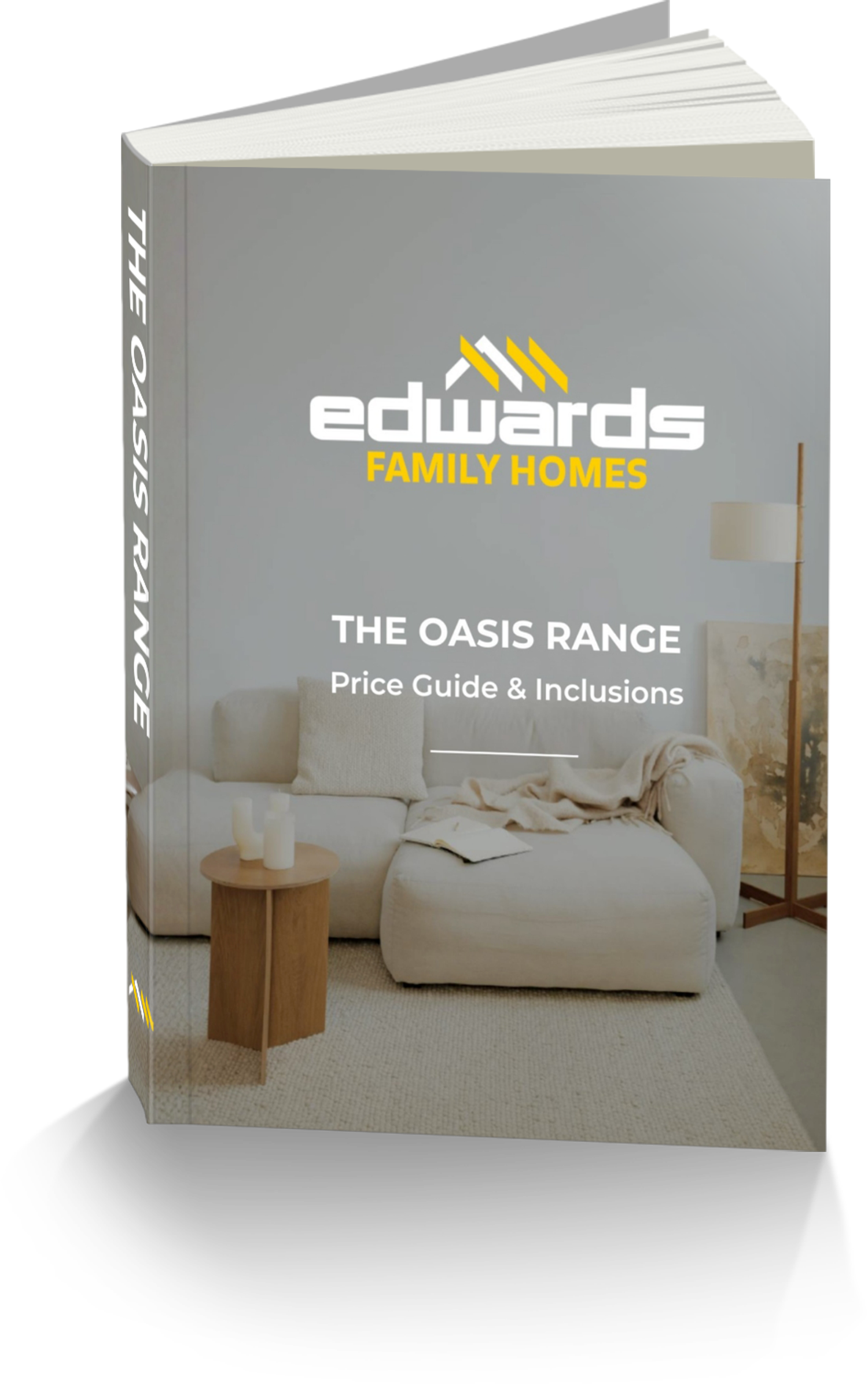
If you’re thinking about adding a second storey, this guide is designed to help you understand what to look for, what to plan for, and how to approach the early stages with more confidence.
The Oasis Range: Price Guide & Inclusions
Inside, you’ll find:
- Key things to consider before designing a second storey
- Where hidden costs tend to appear and how to plan around them
- How timing affects flexibility and decision-making
- Practical ways to plan without unnecessary pressure.
Download your free copy and use it as a reference while you still have options and decisions are easier to make.
Read more about the close knit family behind your stunning Edwards Family Home, a proud partner of APB, and HIA.