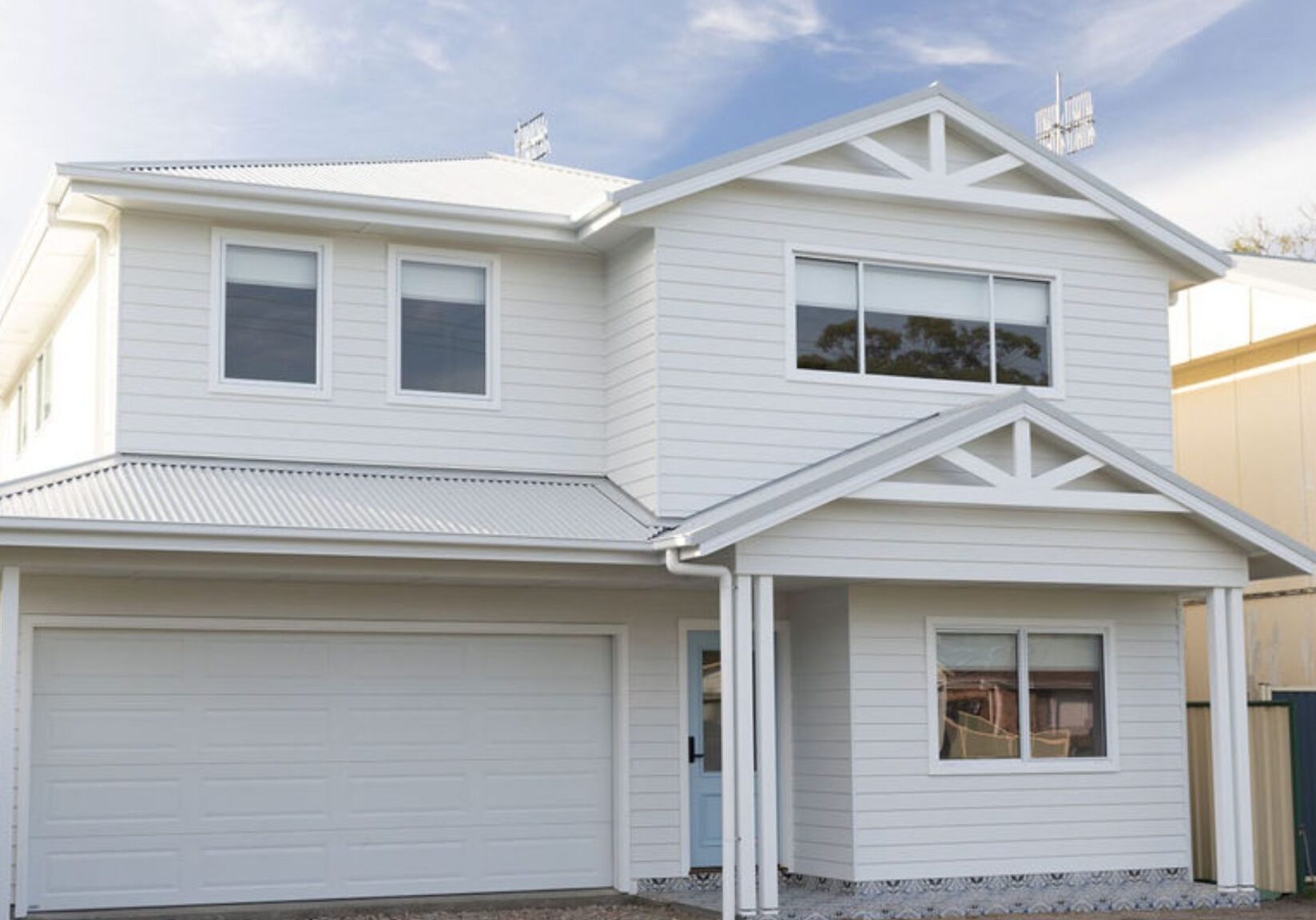
“Is your price fixed?”
It’s one of the first questions families ask when they’re planning a second-storey addition.
And it’s a fair one.
When you’re building upward – altering structure, reinforcing foundations, and integrating a new level into your existing home – you want to know the price you agree to won’t shift once construction begins.
What’s often overlooked is how a Fixed Price Contract is formed in a second-storey project.
A fixed price doesn’t appear overnight. It comes together step by step, through decisions, documentation, structural clarity, and confirmed selections. If each step is handled thoroughly, the price is clear and realistic. If things are left open, the contract can include assumptions.
In practice, price stability is shaped through what I call 4 critical cost conversations.
Cost Conversation #1: The Initial Estimate
Every second-storey addition begins with an estimate.
At this stage:
- Drawings are still evolving
- Structural engineering has not yet been finalised
- Council approvals are still to come
- Existing structural capacity is based on preliminary assessment
- And selections may be broad allowances rather than confirmed decisions.
An estimate provides direction. It helps families decide whether adding a second-storey aligns with their budget expectations.
But it isn’t yet a fully fixed contract price.
At this stage, important structural and site details may still be under review, and in a second-storey project, those details matter more than most people realise.
Whether the final price truly stays fixed depends on what gets clarified after this first step.
Cost Conversation #2: Completing Documentation
Once the concept for the second-storey is agreed upon, the project moves into detailed documentation.
This is where clarity increases significantly.
During this stage:
- Construction drawings are completed
- Structural engineering confirms how the existing home will support the new level
- Council approvals are obtained
- Site requirements are clarified
- And structural upgrades, if required, are documented properly.
In a second-storey addition, documentation isn’t just about layout. It’s about ensuring the existing home can safely and realistically carry what’s being built above it.
If a fixed price is based only on early drawings, there are still unknowns, especially around structure and integration. But if it’s based on complete construction documentation and resolved engineering, it reflects how the home will actually be built.
The more complete the paperwork, the fewer assumptions are left in the contract.
Sorting out these details now protects your budget later.
Cost Conversation #3: Finalising Selections
Your choices play a significant role in the final contract price, particularly in a second-storey addition where finishes and structural elements interact.
- Cabinetry and joinery upstairs
- Bathroom fixtures and fittings
- Flooring selections
- Stair design and balustrades
- Design elements that influence structural load.
If selections aren’t confirmed before signing, the contract usually includes allowances.
Allowances aren’t inherently wrong, but they are placeholders until real decisions are made.
In a second-storey project, late changes can affect more than finishes. They can influence framing, services, and coordination between levels.
When selections are confirmed before the fixed price is issued:
- They’re incorporated directly into the tender
- Specifications are clearly documented
- Variations caused by late decisions are reduced
- And budget expectations align with real choices.
That difference matters.
Cost Conversation #4: Setting Realistic Allowances
Even with thorough documentation and confirmed selections, certain elements in a second-storey addition can’t be known with absolute precision until work begins.
These often include:
- Excavation requirements if structural reinforcement is needed
- Upgrades to existing footings discovered during structural exposure
- Service relocations
- Minor adjustments identified once the roof is removed.
These are normal parts of building upward. What matters is how they are calculated.
Realistic allowances are based on experience with similar second-storey projects, not optimistic assumptions.
When allowances are clearly explained, well-documented, and grounded in practical assessment, they support a fixed price. Vague or understated allowances increase the risk of later adjustments.
The key is how well you prepare.
What Keeps a Fixed Price Steady
When families ask if a price is fixed, what they’re really asking is whether it will stay stable once the structure is open and construction is underway.
In a second-storey addition, that stability comes from:
- Moving beyond concept drawings
- Completing documentation thoroughly
- Confirming selections early
- And setting allowances with transparency and realism.
Each of these conversations builds on the one before it.
By the time you sign the contract, the fixed price should match the second-storey you actually want to build, not a version that’s still changing.
Keeping the price steady depends on setting up the process well from the start, with good paperwork, clear choices, and thoughtful allowances.
Want to Understand What Shapes Your Fixed Price Contract?
If you’re planning a second-storey addition, understanding what sits behind a fixed price gives you far more control before you sign a contract.
That’s exactly why we created: The Oasis Range: Price Guide & Inclusions
Inside, you’ll discover:
- How to avoid the hidden costs that catch most families off guard
- Why budgeting honestly (not perfectly) is the smartest move you can make
- What to expect from a Design & Construct builder, and how it saves you time and stress
- Real-life examples of families who made it work, on time and on budget
Grab your copy now and start planning your second-storey with confidence, clarity, and far fewer surprises along the way.
Read more about the close knit family behind your stunning Edwards Family Home, a proud partner of APB, and HIA.