At some point, a lot of houses stop keeping up with the families living in them. Maybe the kids are getting older. Maybe someone’s working from home. Either way, adding a second storey starts to make a lot of sense – and that’s when questions about second storey addition cost naturally start to surface.
Maybe the kids are getting older. Maybe someone’s working from home. Either way, adding a second storey starts to make a lot of sense.
But pretty quickly, one question shows up: “How do you actually know what something like this is going to cost, without overextending yourself along the way?”
Because when people start exploring a project like this, it can feel like everything has to be decided at once. The design, the work involved, the cost. All of it, right now.
And that’s usually where the hesitation kicks in.
What if the numbers come in higher than expected? What if decisions get made before the full picture is clear? What if the whole thing becomes more demanding than planned?
Look, those concerns are completely reasonable. I hear them all the time.
But here’s what I’ve learned after decades of hands-on building experience: projects that run smoothly rarely begin with one huge commitment. They follow a clear process that helps homeowners gather the right information first. And as that picture builds, the project becomes easier to understand, easier to size up, and a lot less stressful.
So the real question is: “What does that process actually look like?”
Here’s how it works.
Stage 1: Understanding Second Storey Addition Cost & What’s Possible
The first step is what we call the concept agreement.
This is where the idea starts becoming practical. Instead of just talking about adding another level, we start exploring how a second storey could actually work on your home.
It’s about getting an early picture of what might actually be possible… not finalising anything.
You’re not spending big at this stage. Think of it as buying information rather than committing to a project.
By the end of this stage, most homeowners have a much clearer sense of:
- What could realistically be built on the existing home
- How the second-storey layout might be arranged
- And where the overall cost might begin to sit at a high level.
You’re not committing to the whole thing up front, you’re picking up what you need to know at a pace that feels manageable.
And isn’t that really what you’re after at this point – not commitment, just clarity?
Stage 2: Getting Into the Details
Once the concept makes sense and you’re comfortable moving forward, the next step is the preliminary agreement.
This is where the project starts taking real shape.
The design gets more detailed, and the layout gets refined so the home actually supports the way your family plans to live in it. This is also where the technical side comes in with things like:
- Structural engineering and technical input
- Architectural drawings for approval submission
- And locking in the key layout and design decisions.
As those details come together, you start to see the full picture of the work, and a much clearer idea of the likely investment starts to come into focus.
And honestly? That makes the decisions that follow feel a lot more comfortable.
Stage 3: Time to Build
By the time you get here, you already know the project well.
You’ve reviewed the concept, you’ve worked through the design, and you understand how the home is going to change.
Signing a construction agreement at this point should feel like a natural next step, not a leap of faith. And when the contract is properly structured – fixed price, every inclusion documented, nothing sitting as a vague allowance – that’s exactly how it feels. The cost is set before building starts, and the kind of mid-build surprises that catch so many families off guard simply don’t have anywhere to hide.
Before construction kicks off, you’ll typically have a clear picture of:
- The final design and layout of the second storey
- The construction work and what’s included
- And the expected investment for the build.
Most families find that reaching this stage feels far more comfortable than they expected, because the earlier stages have already answered the big questions – and the contract reflects that.
Why the Team You Build Around You Matters
There’s another part of this that matters just as much… and it doesn’t get talked about enough.
Ever tried to pull together a team of consultants yourself?
You’re out there googling engineers, calling around, trying to find people who’ve never worked together on a job like this. And when you find consultants on your own, you’re paying full retail fees. When a builder works with an established team, things work very differently, and that often means real savings across the board.
Here’s the other thing. You can end up with drawings, engineering reports, and documentation from different professionals that look complete on paper, but with no one actually joining the dots. And that’s where things start to unravel.
An engineer might come up with a structural solution that works perfectly on paper, but introduces an expensive element that nobody flagged during design. When the design and construction teams are working together from the start, those things get picked up early.
It’s the difference between a project that hums along and one that keeps throwing up surprises.
How to Move Forward Without It Getting Away From You
At the end of the day, it’s about giving homeowners a way to explore a second storey without it getting away from them – financially or mentally.
A staged process helps prevent that. Each stage adds more information, and decisions get made when the picture is clear, not before. You move forward at a pace that feels right.
And honestly, that peace of mind is often the difference between a stressful project and one that just… works.
Wondering What a Second Storey Would Actually Cost You?
So you’ve got a sense of how the process works now, but at some point the question every family asks is, “What is this actually going to cost me?” Understanding second storey addition cost early is what keeps the project from drifting beyond your comfort zone.
What drives that number up or down? And where do the hidden expenses tend to show up?
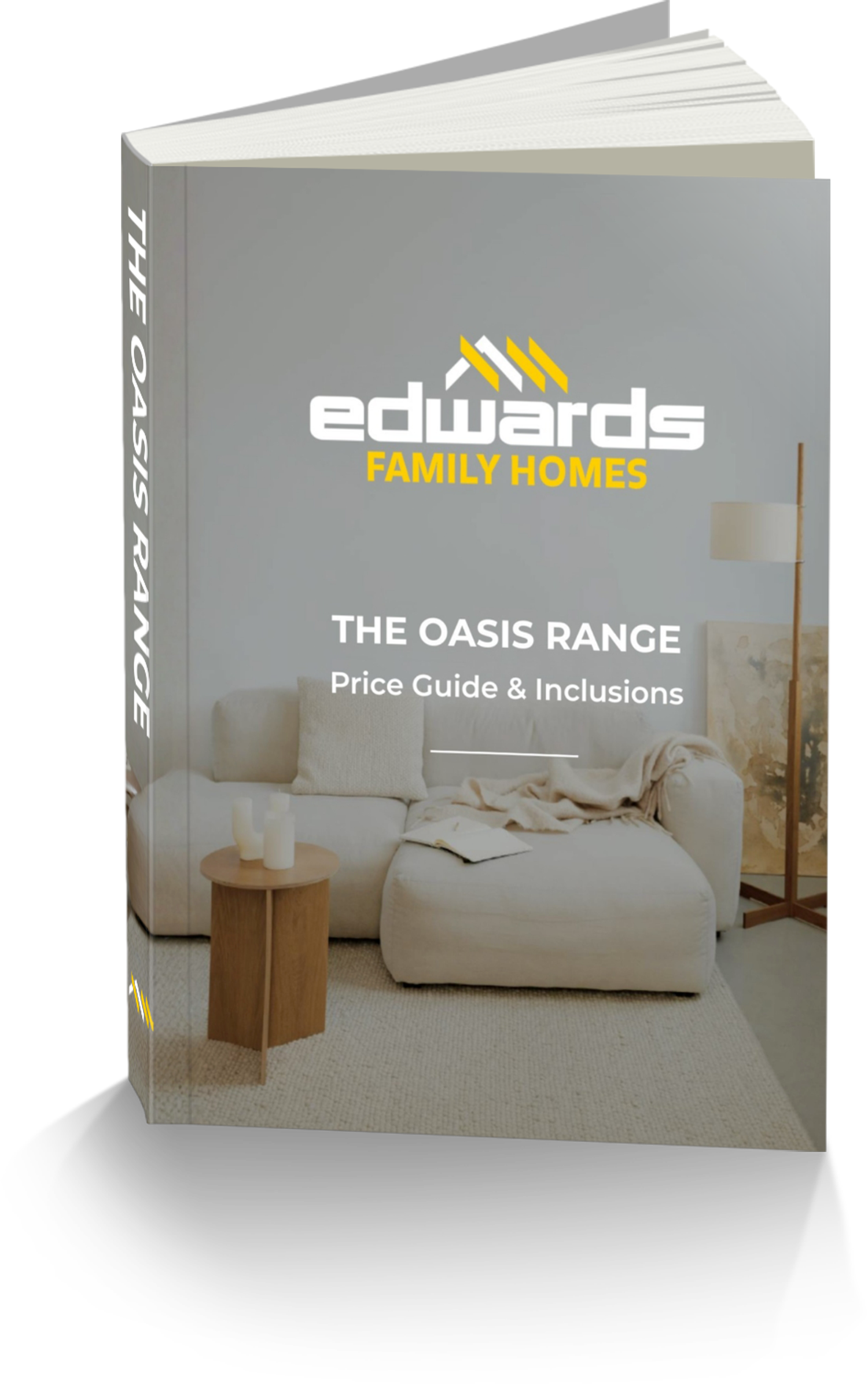
That’s what I cover in my free guide: The Oasis Range: Price Guide & Inclusions.
It’s all in there:
- What actually drives the cost of a second-storey addition
- Where the hidden expenses tend to show up
- Why getting clear on structure and design early protects your budget
- And real stories from families who’ve been exactly where you are now.
Download your free copy and go into the planning stages with clearer numbers, better questions, and a lot fewer surprises.
Read more about the close knit family behind your stunning Edwards Family Home, a proud partner of APB, and HIA.