Recently, I’ve noticed people talking about homes in a new way.
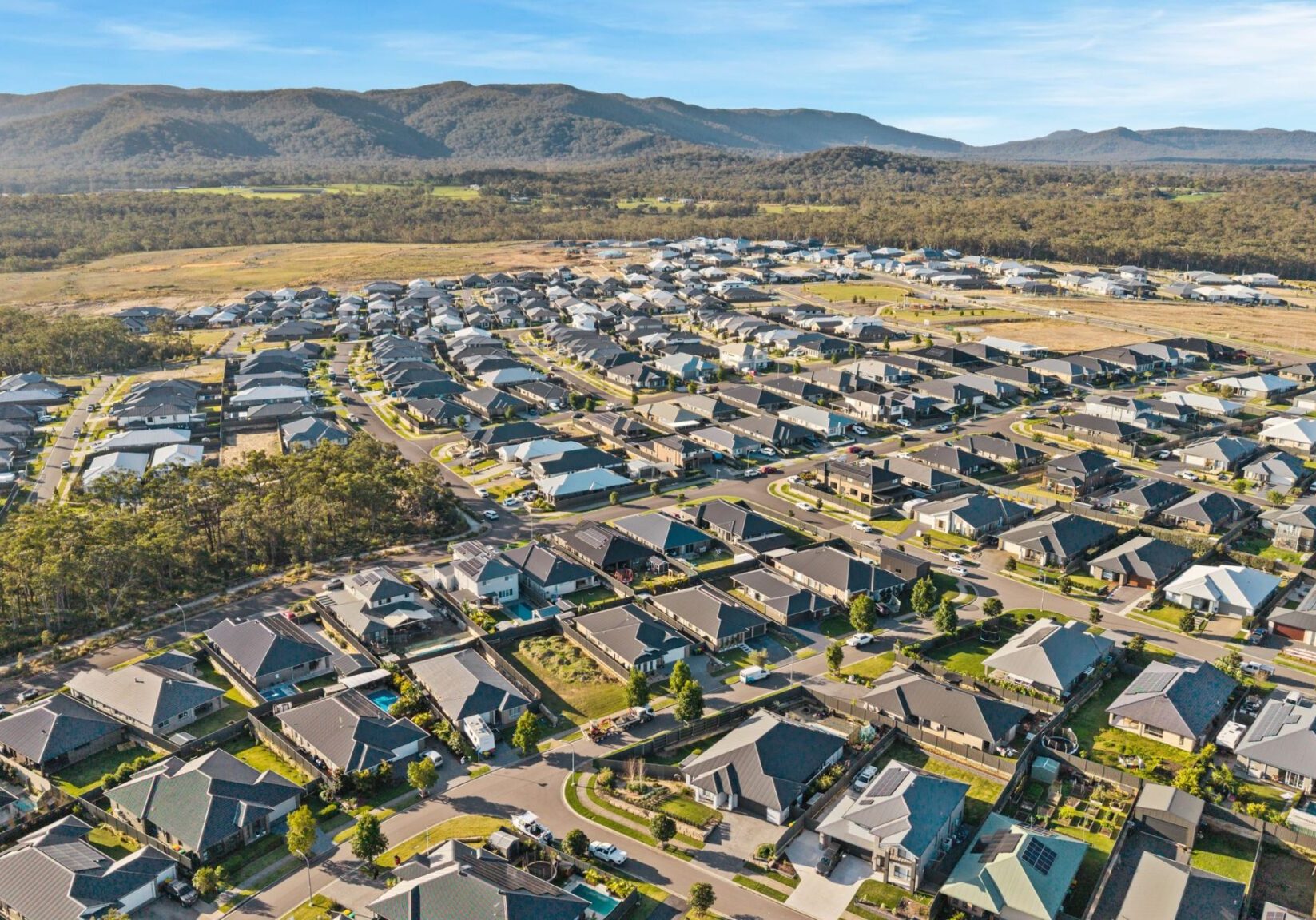
It often starts with a small remark, like noticing how every house looks the same, how some second-storey additions feel “stacked on,” or how entire streets look identical.
There’s a pushback happening.
People are saying they’re tired of homes with no character, of everything feeling uniform. They want something that reflects them, not something pulled from a system designed for repetition.
This change is especially important if you’re planning to add a second-storey.
Because once it’s built, it’s built.
The Process Mismatch
When families come to us about adding a second-storey, they usually want more than extra space.
They want:
- A home that reflects how they actually live
- Living areas oriented properly for sunlight
- A layout that makes sense between levels
- A façade that feels balanced from the street
- Something that doesn’t feel identical to the house next door
At the same time, many building systems are designed for efficiency and repetition.
And that’s where I see what I call the Process Mismatch.
It’s what happens when someone wants a unique, integrated second-storey result… but uses a system built for standardisation.
At first, everything feels simple. Plans are chosen, and pricing is discussed. It “fits” the expectations.
But the effects of that mismatch aren’t felt straight away. They show up later, when the scaffolding is gone and the second-storey is complete… but something feels slightly off.
The staircase interrupts the flow, upstairs rooms don’t receive the light you expected, or the façade feels heavier than it should.
By then, the structure is already finished.
Second-storey homes aren’t difficult, but they are unforgiving. Early decisions shape how the home feels for the next 15 or 20 years.
These early choices become clear in four main stages of building.
Stage #1: Where the Second-Storey Additions Design Begins
In many systems, the upper level is designed first, and then adjusted to fit the existing house.
If it aligns with the footprint below, it proceeds.
But with second-storey additions, the order is important. Where you put the staircase changes how much space you have downstairs. Where you place upstairs living areas affects light on both floors. The roofline also changes how your home looks from the street.
One of the most common missed considerations is solar orientation at the upper level.
Where the upstairs windows face determines how the home feels year-round, especially if bedrooms or retreats are placed above existing living areas.
When adding a second-storey, the design should be shaped by the existing home, not forced to fit it.
We consider:
- How the upper level aligns structurally with the home below
- How sunlight enters both floors
- How privacy is maintained at height
- And how the new roof integrates with the existing structure.
When you add another level, every choice affects both floors, not just one.
Stage #2: How Change is Handled
The process mismatch also shows up when people start changing their ideas.
As a second-storey project develops, families naturally rethink things. They reconsider stair placement, adjust bedroom layouts upstairs, rethink storage, and imagine how daily life will move between levels.
This kind of reflection is part of designing a thoughtful two-storey home.
Every building system has its own way of handling change. Often, the process from choosing a plan to building is structured for efficiency, with paperwork and pricing tied to fixed drawings. When changes arise, they’re managed within that system.
In a design-led second-storey project, change is expected from the start. People keep talking as plans develop, and adjustments are made while drawings are still easy to update.
During this stage, families often think about:
- How circulation will feel during busy mornings between levels
- Whether the staircase feels central or intrusive
- Where upstairs storage will prevent clutter downstairs
- How sound travels between floors
- And how the upper level might adapt as children grow or circumstances change.
When these talks happen early, the second-storey feels like a natural part of the home, not something added on.
Stage #3: How the Existing Structure and Site Are Treated
A second-storey addition depends completely on what’s already there, both in the structure and on the land.
You’re building on existing footings, existing load-bearing walls, existing slab or subfloor, and existing drainage patterns.
Many older homes were never engineered to carry another level.
If structural capacity isn’t properly assessed before design is finalised, reinforcement becomes reactive, and reactive structural changes are where budget stress usually begins.
But the structure is just one part.
When construction moves from drawings to the actual site, existing conditions matter even more.
The slope of the land, how water already moves during heavy rain, neighbouring property heights, and privacy at the new upper level all influence how the second-storey settles into place.
Adding height changes more than floor area.
It changes:
- How the home overlooks neighbours
- How upper windows capture light
- How stormwater behaves
- How levels connect internally and externally.
If you don’t think about these things early, the problems you face may not be structural, but about how the home feels to live in.
Stage #4: What the Second-Storey Ultimately Feels Like
The last part of the process mismatch isn’t technical, but it’s just as important as the rest.
Once the planning decisions are made, the refinements considered, and the structure and site resolved, what remains is the experience of living in a two-storey home.
Some second-storey additions feel efficient, but others feel more comfortable and settled.
The difference is often subtle.
You see it in how light enters the upper hallway in the afternoon, how the staircase connects rather than interrupts, and how the upstairs and downstairs feel different, but still connected.
Families tend to describe this feeling in simple terms.
They talk about:
- A sense of warmth when they walk through the door
- Bedrooms upstairs that feel private yet connected to family life
- Rooms that feel balanced and comfortable across both levels
- A home that fits in with its surroundings, not one that feels forced onto them.
Finishes contribute to these qualities, but they rely heavily on earlier choices – where the design began, how changes were managed, how the structure was assessed, and how the site was considered.
Over time, these decisions decide if a second-storey addition just adds space or truly changes how your home feels.
Want to Know If Your Home Can Support a Second-Storey?
If you’re planning to add a second-storey in the next 6 to 12 months, the choices you make now will affect how your home feels for years to come.
That’s why we’ve put together a resource to help you get started.
The Oasis Range: Price Guide & Inclusions
Inside this guide, you’ll find:
- How to avoid hidden costs common in second-storey projects
- Why early structural clarity protects your budget
- What to expect from a design & construct approach
- Real examples of families who added a second-storey successfully.
A second-storey adds rooms, yes, but its real value comes from how comfortably it fits with the existing home.
Grab your copy here and move forward with clarity.
Read more about the close knit family behind your stunning Edwards Family Home, a proud partner of APB, and HIA.