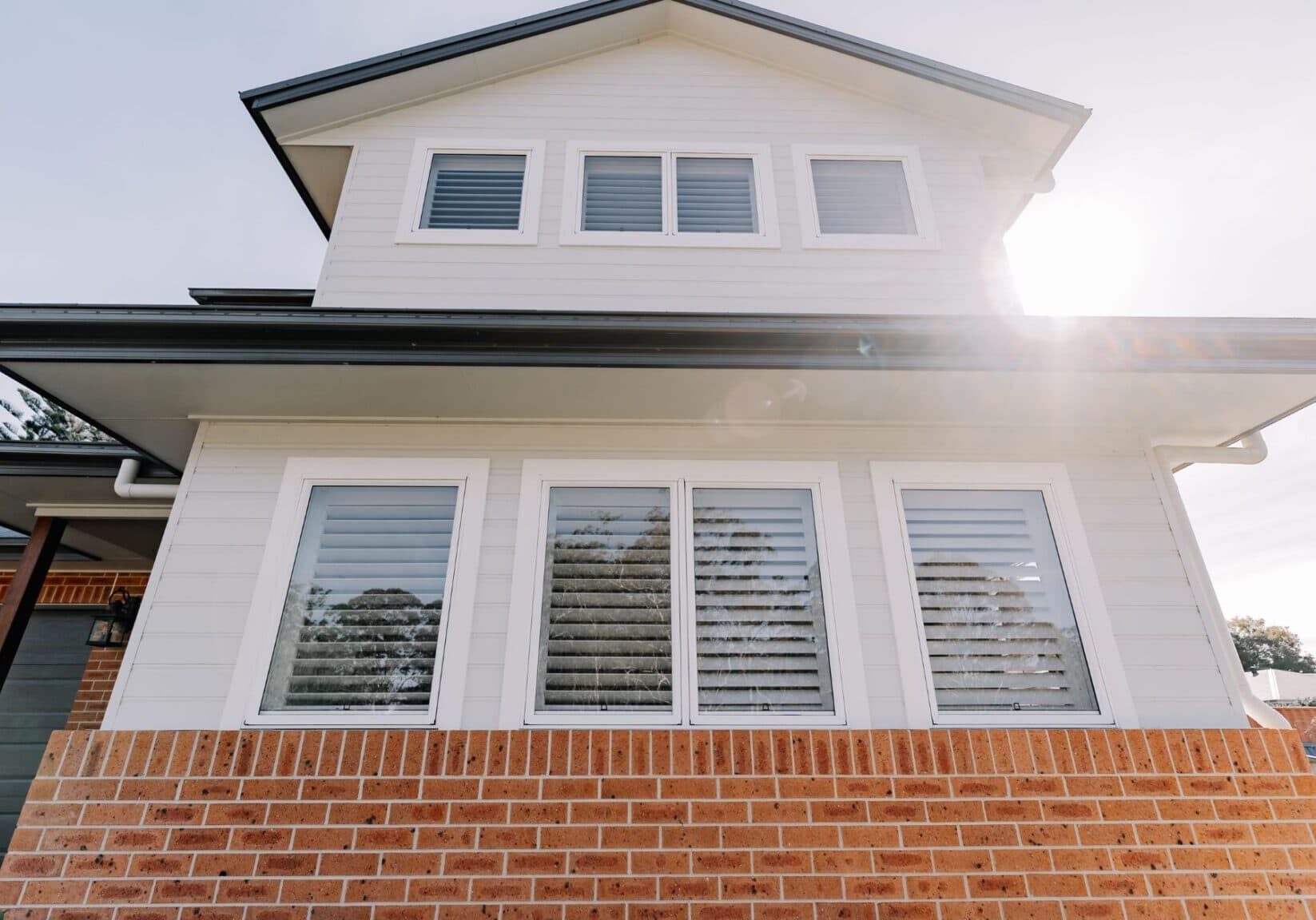
If you’re thinking about adding a second storey, there’s a good chance you’re also wondering what it’ll mean for your day-to-day life, here’s what It’s Really Like Living Through a Second Storey Build:
- Will you need to move out?
- Will the house be full of tradies?
- Will it be noisy, messy, and chaotic (especially with kids around?)
These are fair questions. And if you’ve never been through a build before, it’s hard to imagine how it all works.
But it doesn’t have to be scary or riddled with uncertainty. In fact, a second-storey build might actually be less disruptive, less stressful, and more cost-effective than you think; especially when it’s done with families in mind.
So, what actually happens during a second-storey build? Let’s break it down step by step, so you know what to expect, how to plan ahead, and whether building up is the right move for your family.
Step 1: External Scaffold Keeps Your Space Yours
The first stage of any second-storey build is setting up access, and that’s good news for you.
Because all the work happens from the outside, you won’t have tradies traipsing through your living room or tracking dirt through the hallway. Your front door stays closed, your family spaces stay private, and your routine doesn’t have to change.
You also won’t be sharing a bathroom with anyone on-site. A separate toilet is set up outside for the crew, so your home stays clean and comfortable.
And if you’ve got kids or pets? Temporary fencing and signage keep everything clearly marked and safely contained, giving you peace of mind while life goes on as normal.
For most families, this first stage is where the stress starts to melt.
You realise: “Okay, we can actually live through this without our house turning into a job site.”
Step 2: Roof Off, Frame Up (Fast)
There’s always that moment of panic: “Hang on… if the roof’s coming off, won’t the whole house be exposed?”
And the answer is no; your home won’t be open to the weather.
There’s no gaping hole above your bed, or chance of water pouring into the kitchen mid-dinner.
Once the old roof is removed, the new frame goes up fast; usually within a couple of days; and we get a protective covering on straight away. That keeps everything sealed, dry, and secure while construction continues.
So yes, the roof comes off.
But no, your home doesn’t turn into a wind tunnel. You’ll still be able to live in it comfortably, just like you always have.
Step 3: Plumbing and Electrical Prep (Done the Smart Way)
By the time the frame and roof are on, things start getting technical behind the scenes; but that doesn’t mean disruption inside your home.
All the plumbing and electrical for the new level is run through the floor system and roof cavity, which means it’s handled from above, not through your existing walls or ceilings.
And if we do need to connect into existing services, it’s done later; with notice, with care, and without mess.
The beauty of a well-planned second-storey build is that so much of it happens without touching your main living space. You get progress without chaos, and you stay in the loop the whole way, so nothing comes as a shock.
Step 4: The Internal Fit-Out (What It’s Really Like Living Through It)
This is the part where things really start to take shape: insulation goes in, walls go up, stairs are installed, and your second storey begins to feel like a real home.
And yes, you’ll hear some noise, and see movement on site. But you won’t feel like you’re living in a construction zone.
Because the bulk of the messy work is happening upstairs, you’ll still be able to cook dinner, help with homework, and watch telly without trades walking past the couch.
We also keep the site clean, tidy, and well-organised. Rubbish is removed regularly, materials are stored safely, and the crew knows they’re working around families.
If you’ve got kids, pets, or even just a packed schedule, this part matters.
The Real Win? Staying Home While Your Second Storey Build Is In Progress
One of the biggest benefits families don’t expect when building a second storey is also one of the simplest:
You get to stay home.
No packing boxes, scrambling for a rental, or explaining to the kids why they’re sleeping in a spare room at Nan’s.
Aside from keeping life familiar and your routine intact, you also avoid the cost of moving out, which can easily hit $8,000.00 to $10,000.00 or more once you factor in rent, moving fees, and bond.
By building up instead of out, and staying put while it happens, you’re not just gaining space, but also saving serious money and stress along the way.
It’s a win for your lifestyle, your budget, and your sanity.
Want to Know If Your Home Can Support a Second Storey?
Not every home is a perfect fit for building up, but many are, and it all depends on your structure, site conditions, layout, and a few planning rules.
If you’re even thinking about going up, the best thing you can do is get the right info early, before spending time or money on the wrong path.
That’s why I’ve created this free guide:
Your Guide to Extending Your Home
Inside, you’ll learn:
- What to consider before designing a second storey
- How to avoid the hidden costs that trip families up
- Why timing matters (and how to get it right)
- Plus, smart tips to plan ahead without the pressure
Download your free copy here and give your family the space they need and deserve.
Read more about the close knit family behind your stunning Edwards Family Home, a proud partner of APB, and HIA.