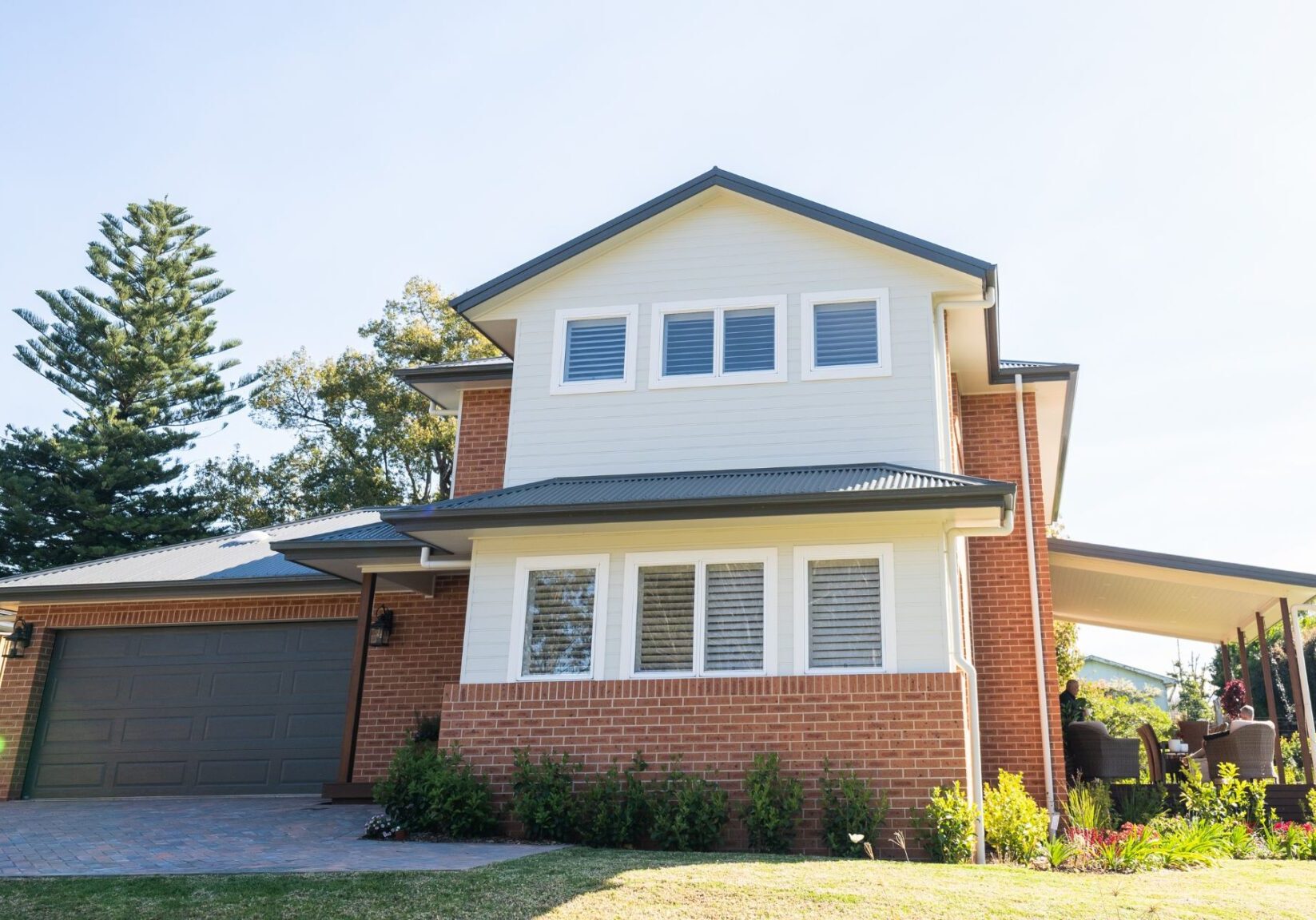
Over the years, I’ve been involved in a lot of second-storey builds, and the fastest ones all have one thing in common: they don’t pick up a tool until the plan is perfect.
Because when you’re building above your family’s head – not out in the backyard or on a new site – every detail matters that little bit more.
So, if you want your build to move fast, without sacrificing quality or blowing your budget, here are 7 rules that make all the difference.
Rule #1: Get Your Specs Right From Day One
Fast second‑storey builds aren’t rushed builds. They’re organised builds.
When everything is decided and documented early, the job flows. Trades know what’s coming, materials arrive on time, and work keeps moving. When it’s not locked in? The build turns into stop‑start, and you feel every pause because you’re living right underneath it.
Before anything starts, you need clarity on the big stuff and the small stuff: Your budget, layout, stair position, structural changes, and all your finishes, fixtures, and fittings – down to the exact tap you want in the upstairs ensuite.
That might sound pedantic, but on a second‑storey build, it’s critical.
Any good builder will take the time to document every spec properly upfront, so nothing is vague and nothing is left as “we’ll decide later.” Because “later” usually means delays, or decisions being made while your roof is open and trades are waiting.
Changing things mid‑build always slows a job down. But when you’re building up, the impact is bigger. The structure is being added to an existing home, there’s less room for error, and even a small late change can ripple through engineering, approvals, and timelines.
Get it right at the start, and everything that follows gets easier – for the builder, and for your family living through the build.
Rule #2: Avoid Changing the Scope Once Construction Starts
Even if you nail everything upfront, there’s always the temptation to tweak things once the build’s underway.
A few small adjustments? Usually fine – shifting a power point or swapping a light fitting doesn’t tend to throw the schedule.
But when the changes are bigger, like adjusting the stair location, moving walls, or reworking the upstairs layout, things start to snowball. Fast.
Those changes don’t just affect the carpenter. They hit the engineer, the certifier, and the build timeline too, turning what felt like “just a tweak” into a redesign with real costs and real delays.
With second-storey additions, timing matters even more because the structure is already connected to your existing home. You might be living downstairs with scaffold up, trades booked, and every day of delay adding more pressure to your family’s routine.
There’s a right time to make big decisions, and once the frame’s going up, that time has usually passed.
Rule #3: Don’t Try To Manage the Process Yourself
Second-storey builds are complex.
There’s structural engineering, council approvals, scaffolding, stair design, waterproofing, and tie-ins to your existing roof and services. All of it needs to happen in the right order, at the right time.
Most homeowners don’t realise just how many moving parts there are, or how easily things stall when you’re trying to coordinate it all yourself.
You’ve got designers saying one thing, council asking for something else, and trades waiting on decisions you didn’t even know you had to make.
When you’re not across the full process, everything feels urgent. So you try to push everything forward at once – plans, approvals, selections – and instead of speeding things up, nothing moves at all.
A good builder knows the critical path. We know which domino needs to fall first, and which one comes next. And when we’re driving the project, the build starts to feel inevitable.
It just flows, and you’re not stuck in the middle trying to hold it all together while living through it.
Rule #4: Use One Team From Concept Through to Construction
Second-storey projects move fastest, and smoothest, when one team handles everything from day one.
When your designer is separate from your builder, and your builder’s separate from whoever’s handling council, the whole job ends up stuck in inboxes. You get dragged into the middle, chasing people, forwarding emails, and trying to connect the dots between three or four different players who aren’t speaking the same language.
Council asks for a change. The designer updates the plans. The builder has to reprice it. Meanwhile, you’re left waiting with scaffolding booked, kids downstairs, and no clear idea what’s going on.
But when one team owns the full process, everything can move together – and you’re not carrying the mental load of making sure it all lines up.
It’s one of the easiest ways to keep a second-storey build moving forward and your stress levels down.
Rule #5: Pick a Builder Who Uses a Few Trusted Suppliers
Second-storey builds aren’t the time to experiment with unknown suppliers.
A good builder works with a tight group of trusted suppliers they’ve used again and again, who know the job, the standards, and the timelines.
That kind of consistency makes a big difference.
It means selections are already streamlined, pricing is predictable, lead times are reliable, and everything fits into the build schedule without surprises.
For second-storey additions, it matters even more. You’re dealing with weight-bearing materials, structural joins, matched finishes, and products that need to tie in with what’s already in your home.
One delay on something like flooring, tiles, or a roofing component can stall progress for days. Trusted suppliers help avoid that.
Rule #6: Pick a Builder Who Uses a Few Trusted Trades
The same thing applies to trades.
If your builder’s bringing in someone new for every stage, chasing the cheapest quote or cobbling together a crew, things will slow down. Every new tradie needs time to get up to speed, figure out how the builder works, and fix the mistakes that come from miscommunication.
But when a builder works with the same team job after job, it’s a different story.
The trades already know what’s expected. They know the order of events. And most importantly, they know how to work efficiently above an active household without turning your home life into a construction site.
Experienced trades don’t need babysitting. They show up on time, do it right the first time, and move on – which is exactly what you want when your family’s still living downstairs.
Rule #7: Start With a Fixed Price if You Want Certainty
Second-storey builds are complex enough without cost surprises.
In a cost-plus contract, there’s no final price agreed at the start. You pay for work as it happens, and you’re involved in decisions and approvals all the way through.
That might sound flexible, but when you’re mid-build, living downstairs with scaffolding up and your roof partially open, the last thing you want is to be re-approving costs while trades are standing by and timelines are slipping.
That’s why contract structure matters more than most people realise.
With a fixed-price contract, everything is documented and costed upfront, from the big-ticket items right down to the tapware and tile choices. You know the number, and the builder carries the risk. And once the build starts, they can keep moving without checking in every five minutes to re-confirm selections or costs.
For families building up, that clarity is gold. Because when the budget’s locked in and the decisions are made, you can stay focused on daily life instead of fretting over the invoice.
Bottom Line: To Go Fast, Go Slow
The best second-storey builds don’t happen by chance.
They happen because everything was done properly up front.
So before you start tearing off the roof or booking scaffold, take the time to get your specs right.
- Work with a builder who manages every step of the process.
- Stick with trades and suppliers who know the job.
- And sign a fixed-price contract that gives you peace of mind instead of daily budget shocks.
Because once all of that is locked in, the build can move forward with confidence, and so can you. That’s how you get a second-storey build that stays on track, protects your time and budget, and doesn’t throw your whole life into chaos.
Of course, these 7 rules are just the beginning.
They’ll help you avoid costly delays and confusion, but there’s still a lot to think through before you lock in a builder, a budget, or a design.
That’s why I’ve put together a free guide to help you take the next step with confidence:
The Oasis Range: Price Guide & Inclusions
Inside, you’ll discover:
- How to avoid the hidden costs that catch most families off guard
- Why budgeting honestly (not perfectly) is the smartest move you can make
- What to expect from a Design & Construct builder, and how it saves you time and stress
- Real-life examples of families who made it work on time and on budget
If you’re planning a second-storey addition, this guide will give you the clarity to move forward without second-guessing every decision.
Read more about the close knit family behind your stunning Edwards Family Home, a proud partner of APB, and HIA.