Most families who call us aren’t unhappy with where they live. They like the street. The kids are settled at school, the walk to the station is easy, and the neighbours are the kind you’d miss. What they’ve run out of is house: a third bedroom that’s really a study, one bathroom for five people at 7am, a living room that has to be everything at once.
So the question comes up at the kitchen table: do we sell and buy something bigger, or do we stay and build up?
It’s a real decision with real money on both sides. Here’s how we’d think it through if it were our own family.
The cost of moving that never shows up in the house
When people price a move, they usually compare the house they have with the house they want. The costs in between are easy to underestimate, and none of them add a single square metre.
Stamp duty
In NSW, transfer duty is paid on the purchase price of your next home. On a $2.2 million house, a realistic step up for a growing family in Hornsby, it comes to roughly $100,000 at current rates. It’s due upfront, and it’s gone.
Selling the house you have
Agent commission, styling, photography, advertising and auction costs commonly run into the tens of thousands on a Hornsby home. Add conveyancing at both ends and the total climbs again.
The move itself
Removalists, a few weeks of overlap or bridging finance, connection fees, and the things a spreadsheet can’t price: a new school run, new routines, a backyard the kids didn’t grow up in.
Put together, it’s easy for a move to cost well into six figures before you’ve unpacked a box. That money buys you a different address. It doesn’t buy you a better house.
Building up puts that money into the house you already own
A second storey addition works the other way around. The money you’d have spent on stamp duty and agent fees goes into your own home instead, in bedrooms, bathrooms and living space you’ll use every day.
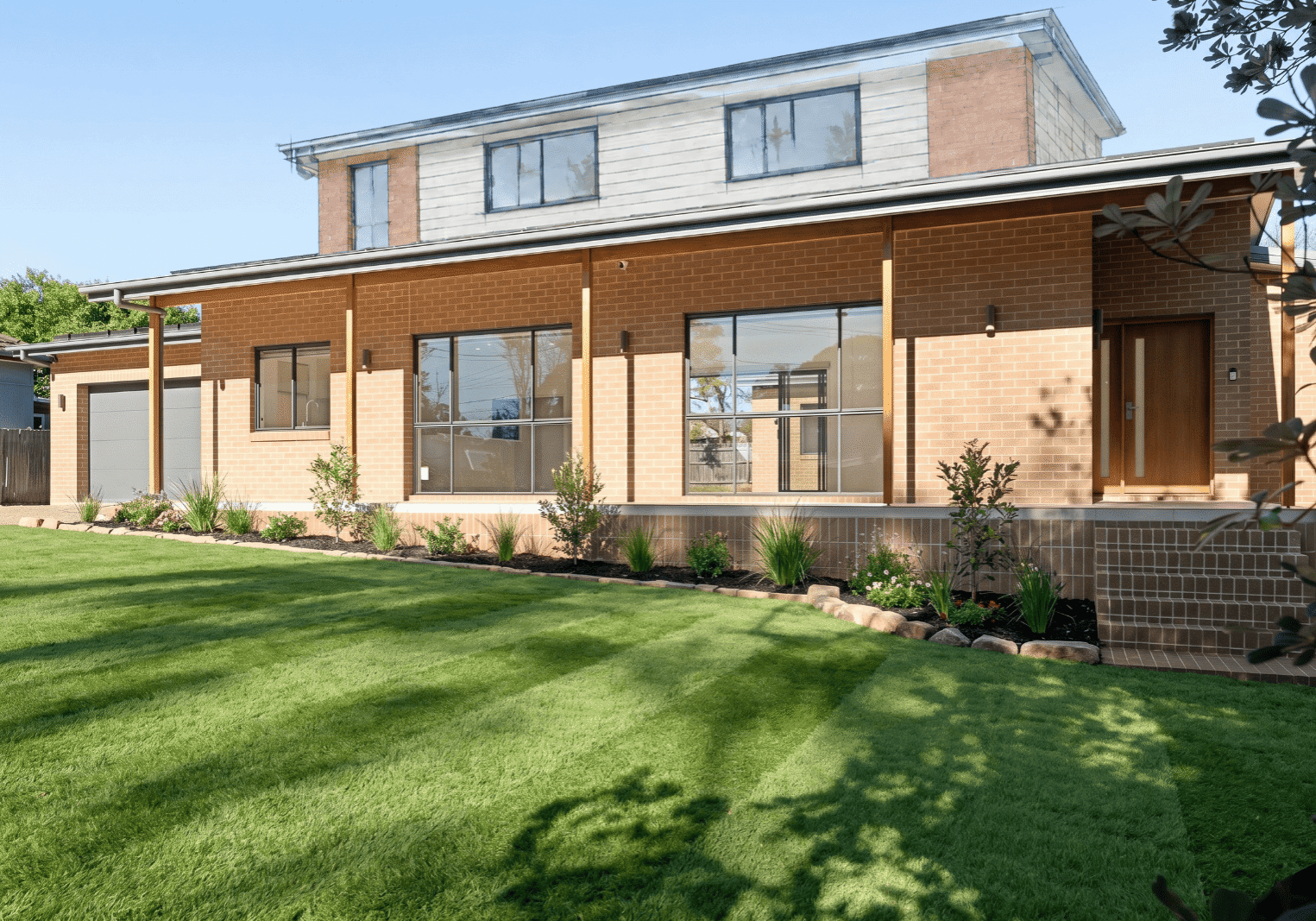
You also keep the things that made you buy there in the first place: the block, the backyard, the street, the school. Building up rather than out means the lawn the kids play on is still there when the scaffolding comes down.
A second storey isn’t a cheap project, and we’d never pretend it is. The point is that the spend stays with you, in the house you plan to live in for years.
What a second storey changes, beyond the extra rooms
The best second storeys don’t just stack space on top. They rethink how the whole house works.
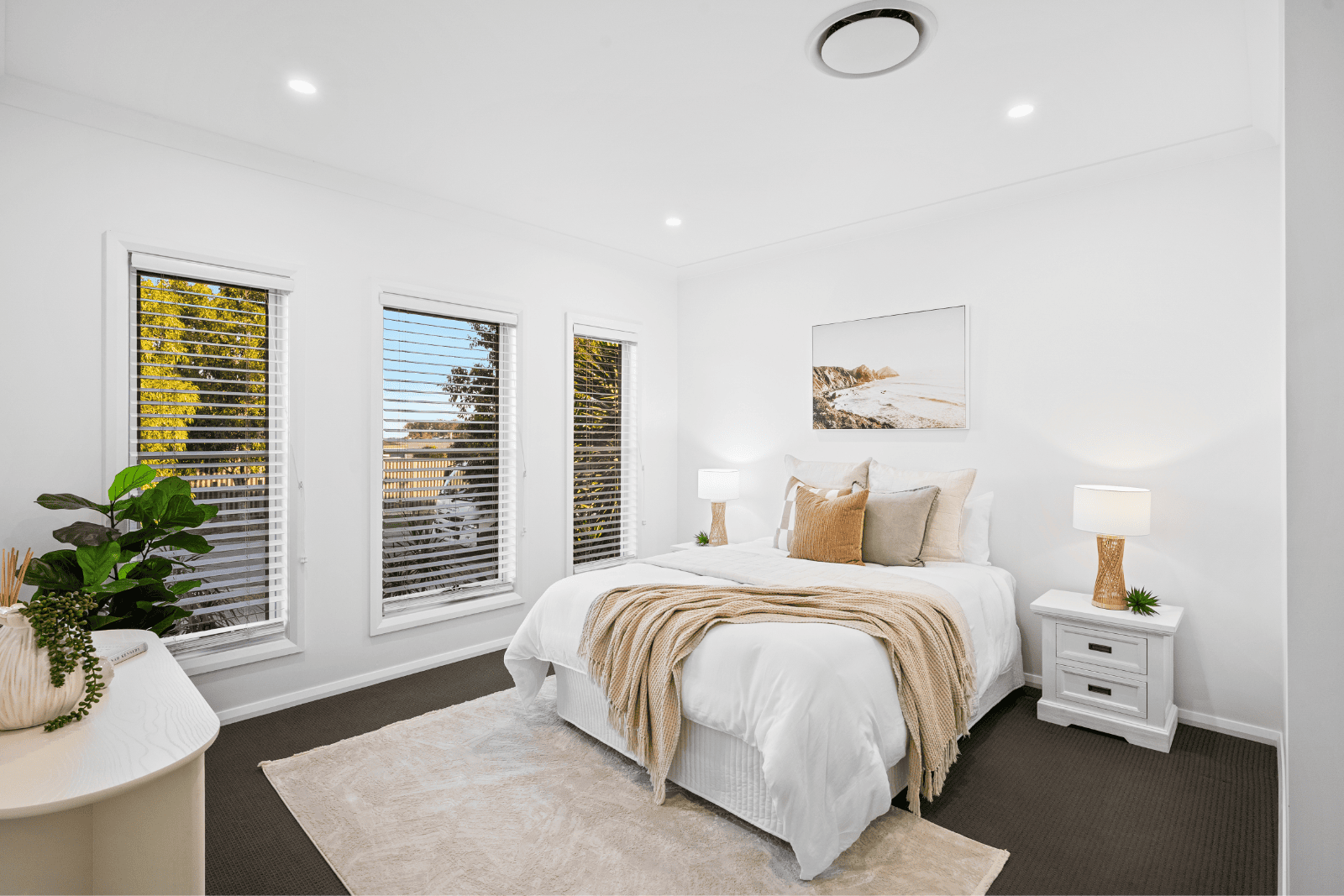
- A parents’ suite upstairs. A bedroom, walk-in robe and ensuite away from the noise of family life. Genuine downtime, under the same roof.
- A teen retreat or extra bedrooms with their own bathroom. Room for growing kids to have a door that shuts.
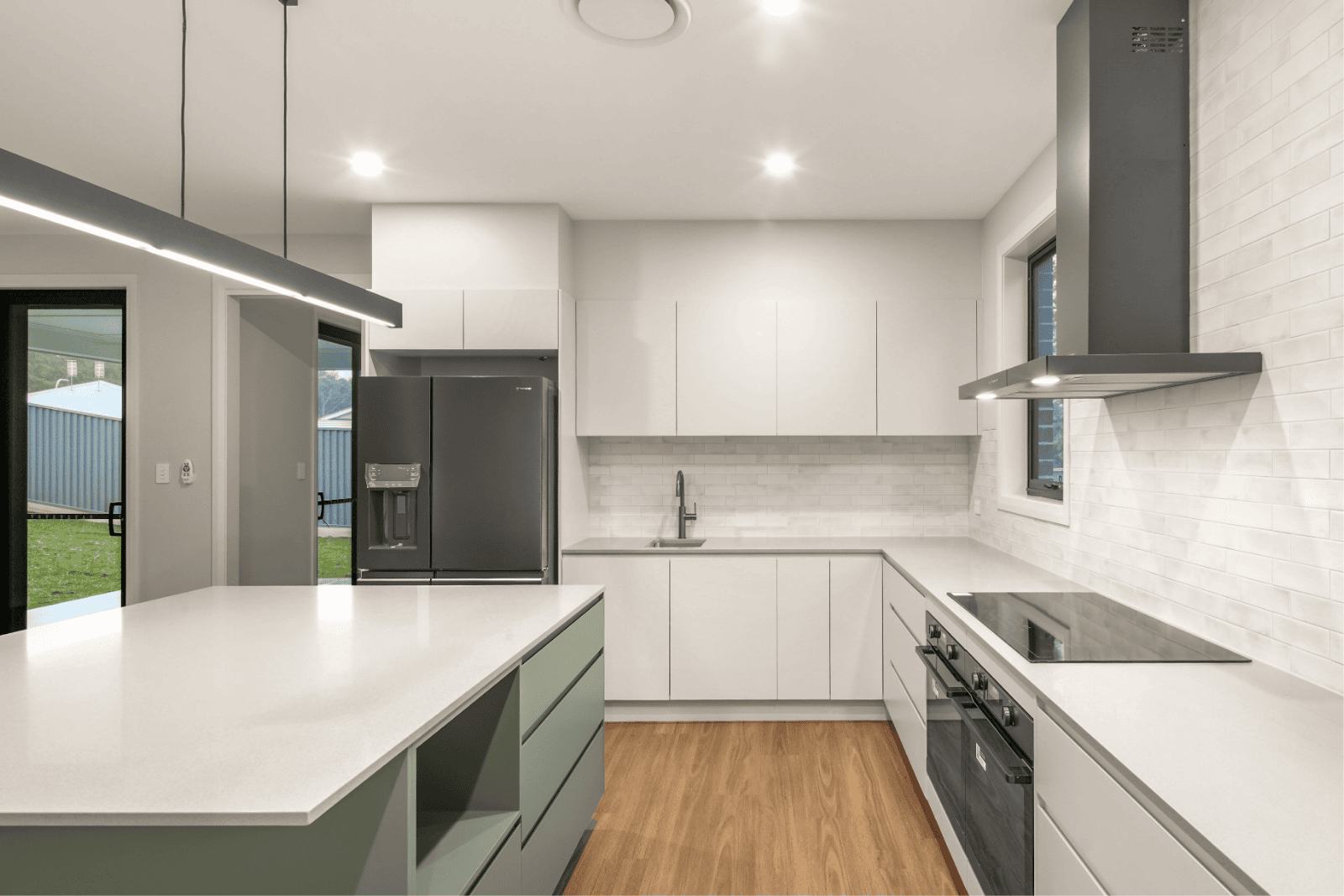
- A downstairs that finally flows. When bedrooms move up, the ground floor can open into the kitchen, living and dining space your family actually uses.
- A facade that looks like it was always meant to be two storeys. Designing the old and new as one house is what makes it feel like a new home, not an add-on.
Homes with more bedrooms, more bathrooms and a layout that works for families tend to appeal to more buyers when the time does come to sell. How much value that adds depends on your suburb, the design and the quality of the build, so it’s worth asking a local agent for their view alongside ours.
When moving might be the better call
We build second storeys for a living, and we’ll still tell you when one isn’t right.
If the location itself is the problem (the commute, the school catchment, the street), no amount of extra space will fix it. And some houses and blocks simply aren’t suited: the existing structure, the shape or slope of the block, or council controls such as heritage and bushfire overlays on parts of Hornsby Shire can all limit what’s possible. If that’s your situation, we’d rather say so in the first conversation than six months in.
Four questions to ask before you list the house
- Is it the house, or the location? If you love where you are, that’s a strong reason to stay.
- What would moving really cost? Add up stamp duty, selling costs and the move itself before you compare houses.
- Can your block take a second storey? A builder who specialises in them can usually give you an honest first read quickly.
- What would you add if you stayed? A parents’ suite, a teen retreat, a better downstairs. Picture the house you’d have, not just the one you’d buy.
The bottom line
Selling to upsize can feel like the obvious move. But when a big part of the cost goes on stamp duty and fees, it’s worth asking whether that money would do more inside the walls you already own, on the street you already love.
Still weighing it up? Start with our free guide, Second-Storey Extensions: Stay Where You Love, Live With More Space. It’s written for families who want more room without giving up the backyard, school or community they love. Download the guide
Want a straight answer about your own house? Book a free Discovery Session on 0483 952 182 and we’ll tell you honestly what your home can take.
FAQ
Is it cheaper to build a second storey or sell and buy a bigger house in Hornsby?
It depends on your house and the home you’d buy, but moving carries large costs that add nothing to your home. On a $2.2 million purchase, NSW stamp duty alone is roughly $100,000, before agent fees, conveyancing and removalists. A second storey puts your spend into the house you already own. A builder can give you a realistic comparison for your block.
Does a second storey addition add value to a home?
It can. Extra bedrooms, bathrooms and a layout that works for families tend to broaden a home’s appeal to buyers. How much value it adds depends on the suburb, the design and the build quality, so it’s worth getting a local agent’s view alongside your builder’s.
Can every house in Hornsby take a second storey?
No. The existing structure, the shape and slope of the block, and council controls such as heritage or bushfire overlays in parts of Hornsby Shire all affect what’s possible. A builder who specialises in second storeys can usually give you an honest first read before any plans are drawn.
Do we have to move out while a second storey is built?
Often not for the whole build. Many families stay for much of it, with a few weeks where noise, dust or services being off make it easier to be elsewhere. Your builder should plan those weeks with you upfront.
What’s the first step if we’re deciding whether to sell or build up?
Get clear on whether it’s the house or the location that isn’t working. If it’s the house, talk to a second storey specialist about your block before you speak to an agent. Our free Discovery Session is designed for exactly that conversation.